State Required Procedures
Do a quick search to see if there are required inspection procedures in your area and learn what contractors must do when you order an inspection.
Select Your Area
There are no required procedures on file for this state.
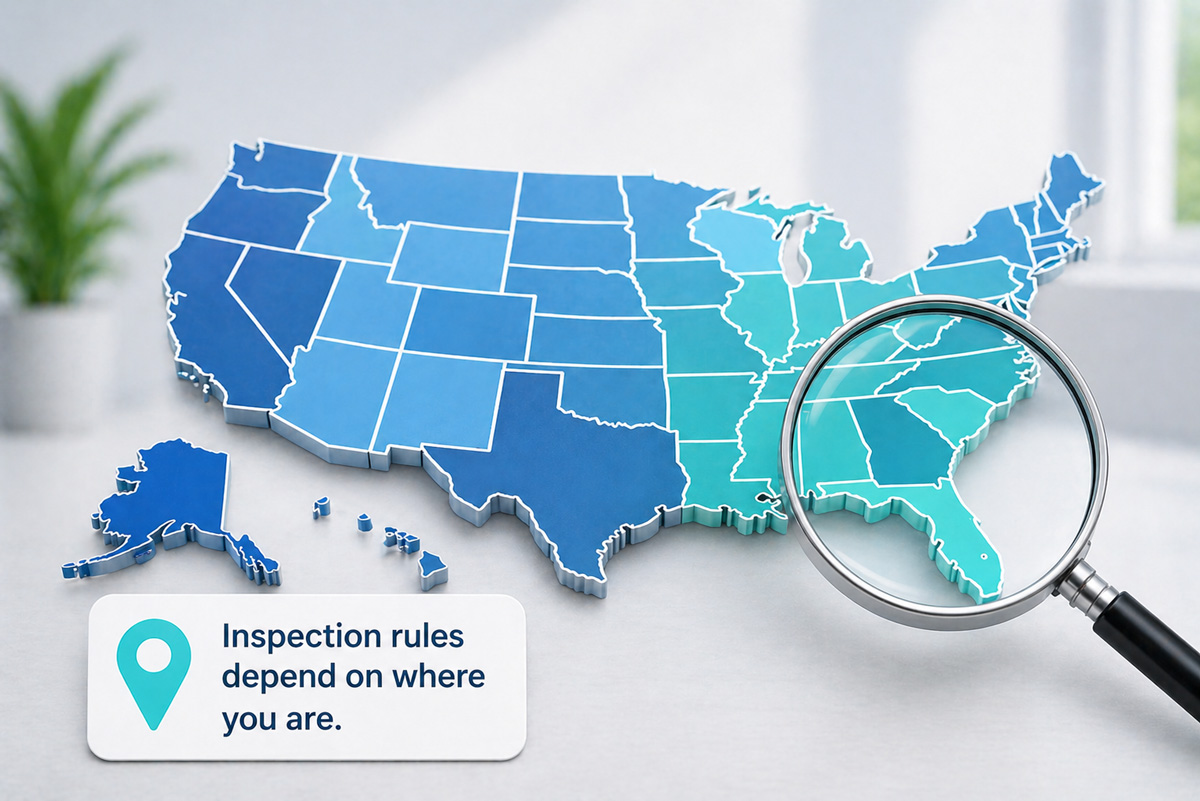
Inspection Rules Vary Depending on Location
Septic system inspection requirements are not the same everywhere. Each state sets its own rules through environmental or health agencies, and some states also allow counties or local health departments to add additional requirements. Because soil conditions, groundwater levels, climate, and environmental priorities vary, the inspection procedures that apply in one state may be different in another. Some states require detailed inspection protocols and certified inspectors, while others provide more general guidelines or allow local jurisdictions to determine the exact procedures.
What to Expect During an Inspection
Although each state has different requirements for septic system inspections, there are a few common procedures that contractors should follow when you hire them to inspect your system. Inspectors typically need to locate the septic system components, open and examine the septic tank, measure sludge and scum levels, check baffles and filters, and look for signs of damage or system failure. They may also evaluate the drainfield area for standing water or odors and confirm that wastewater is flowing properly through the system. These steps can help determine if the system is functioning correctly and if you need to schedule further maintenance or repairs.

Protect Your Property with the Right Inspection
Homeowners and property buyers can play an important role in ensuring septic inspections are done correctly. Before scheduling an inspection, take a few minutes to review the required procedures in your state and confirm that the contractor you hire is familiar with those standards. Asking questions, requesting documentation, and verifying that the inspection follows state guidelines can help protect your property, avoid unexpected issues, and ensure the system is evaluated properly.