Smarter Septic Tracking for a Healthier World
Septic Search helps homeowners, buyers, contractors, and realtors find accurate septic information available for a specific property. Get the data you need to prevent costly failures, protect your property value, and safeguard our environment.
What is Septic Search?
Septic Search is a centralized database where you can find information about onsite wastewater systems that are installed on and serve properties. Easily find public records, maintenance history, system specifications, so you know what type of septic system is in place. Whether you are looking for details about inspections, hoping to learn more about your existing system, or planning a new installation, our database helps you keep track of everything in one place. Septic Search makes it easy to understand what's below the surface and how it affects water quality and public health.
Search Now
Benefits of Using Septic Search
Septic Search keeps you informed so your system works at its best.

Understand Your System
Learn what kind of septic system a property has and how old it is so you can plan for future maintenance or replacement.

Audit Inspections
In some states, you can use our handy guide to ensure inspectors follow the required procedures when checking your system.

Protect Your Investment
Assess potential risks, preserve your property value, and avoid surprises when you consider buying or selling real estate.

Track Maintenance
Monitor pump-outs, filter cleanings, and repair activity to ensure your system gets the proper care.

Save Time & Money
Find septic system records quickly to prevent accidental damage and identify possible issues early to prevent costly emergency repairs.

Preserve the Environment
Help reduce excess nitrogen and protect water resources, and prevent your local wells, streams, and waterways.
Learn About Your System
Septic Search offers helpful resources designed to make learning about septic systems simple and accessible. By exploring these tools, homeowners can better understand how their septic system works, why proper care matters, and how better management can reduce nitrogen and protect groundwater. These resources empower you to take practical steps to make a meaningful difference for your home, your community, and the health of our shared natural resources.
Septic Systems 101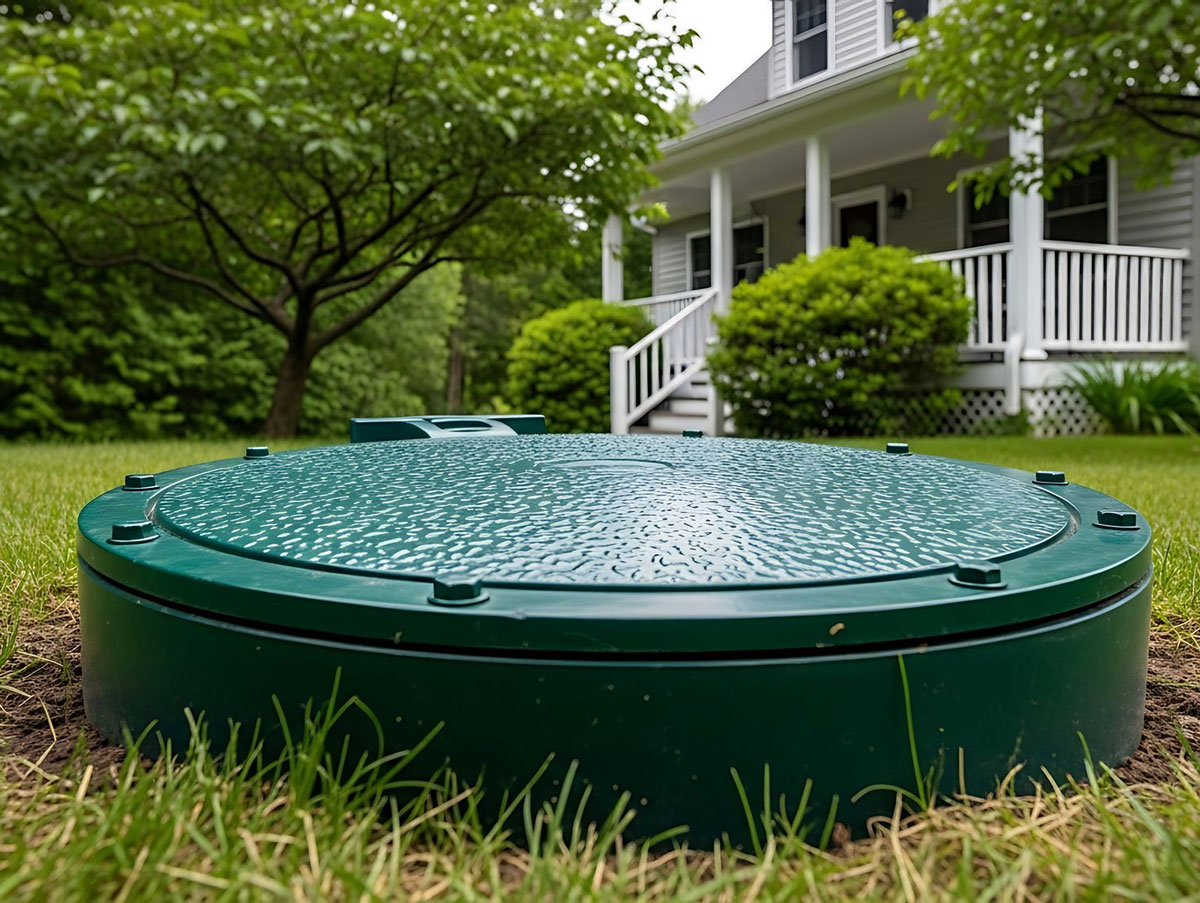
Improving the Database
Unfortunately, not every property will appear in the Septic Search database. We add septic system records from local and state agencies as they become available, so we are continuously working to expand and update our data. Septic records can sometimes be difficult to obtain as they are created and stored differently across jurisdictions, and many systems were installed before digital recordkeeping and some data may not yet be publicly accessible at this time. If you don't see your address listed, contact your local regulators to ask whether septic records are available and can be added to the database.
Contact Regulators
Get the Assistance You Need
Better understand your septic system and find professionals in your area that can help. Click a button below to get what you need.
Environmental Impact
When septic systems are properly understood and cared for, they are less likely to release excess nitrogen and other pollutants into groundwater, lakes, rivers, and coastal waters. By improving access to septic information and encouraging proactive maintenance, Septic Search supports efforts to reduce nutrient pollution, protect sensitive ecosystems, and keep our drinking water and waterways clean and healthy for future generations.
Nitrogen Stats
Start Your Search
Don't wait for a problem to find out what's below your home. Taking the time to look up your septic system now can help you better understand its condition, age, and maintenance history before small issues turn into costly repairs. Having this information at your fingertips allows you to make informed decisions as a homeowner or buyer, protect your property value, and avoid surprises down the road. Search for your property today to find out what type of system you have and when you should schedule inspections.
Search Now